
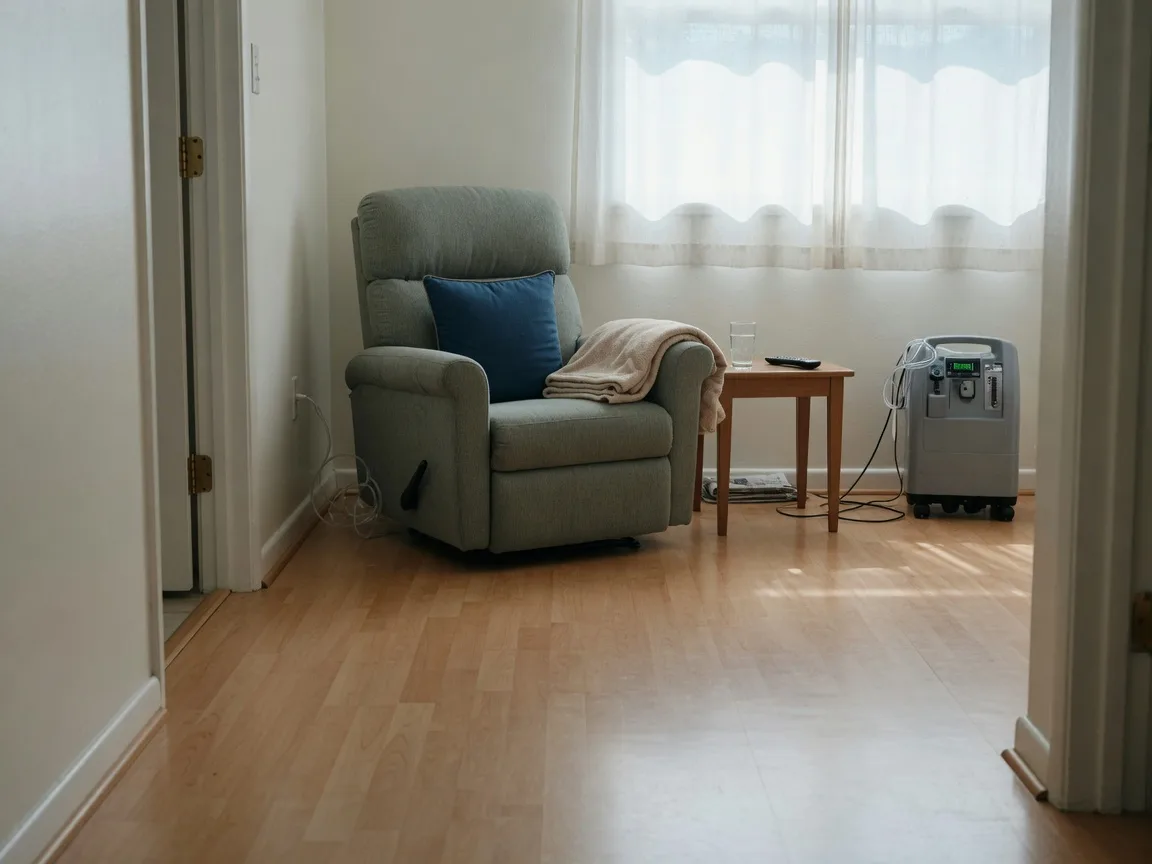
How private duty differs from a home health visit
A home health visit brings a nurse for a scheduled window, then the nurse leaves. Private-duty nursing keeps skilled care present for the hours the patient needs it, with documentation, monitoring, and response occurring continuously within that structure. The difference is not a matter of preference; it is driven by the patient's clinical needs.
Who requires this level of care
Patients on ventilators, patients with tracheostomies, children with seizure disorders, adults with unstable chronic conditions, and patients whose families cannot safely manage overnight care are the typical profiles. In every case a physician's order and plan of care must support the structure.
How the payer question works
Payer coverage varies widely. Maryland Medicaid's home and community-based programs, long-term care insurance, workers' compensation, auto coverage, and private pay each treat private-duty nursing differently. The agency's clinical review should clarify what the patient's payer can authorize before care is promised.
What families should ask an agency
Ask who reviews the case, how nurses are matched and supervised, how shift handoffs work, what happens if a nurse calls out, and how changes in condition are escalated. The answers reveal whether an agency is clinically organized or merely scheduling visits.
Timing matters
Private-duty nursing is arranged through referral during discharge planning, with orders, payer information, and staffing matched in advance. Families who start this conversation early give the agency the time a proper review requires.
Your Next Step
Review the Case With a Nurse
Liberty's RNs review the patient's needs, payer, and schedule before recommending a care structure.
Review the Case With a Nurse