
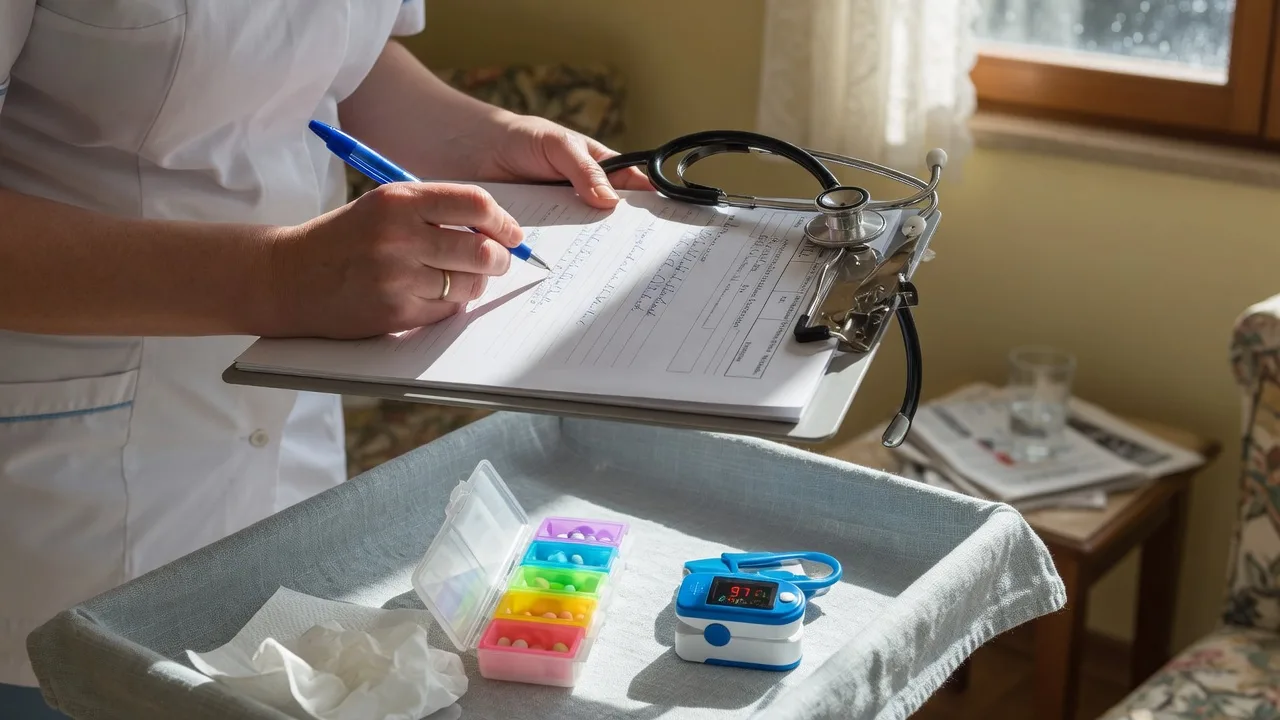
Nursing that matches the machine
Ventilator care at home means nurses who understand the ventilator, the circuit, the alarms, and the patient's response to every change. Suctioning, sedation or medication scheduling, positioning, and monitoring are continuous tasks best performed by trained nursing staff rather than general caregivers.
The equipment chain
The ventilator, circuit, humidifier, suction, oxygen, and monitoring equipment each come from a supplier with its own delivery date and training session. One missed link can delay discharge. Ask who coordinates the whole chain.
Alarms and what they mean
A ventilator alarm can mean a disconnection, an occlusion, a power issue, or a patient change. The caregiver at the bedside must know what each alarm means and what to do first, and the family must know when to call the nurse, the supplier, or 911.
Preparing the room
The patient's room needs power for the ventilator and backup power arrangements, space for the bed, supplies, and staff, and a clear path for emergencies. Electrical planning should be confirmed with the equipment supplier.
The first nights
The first nights home are the hardest. Families should expect nursing coverage through the night, a clear escalation path, and a care team that reviews the first week closely rather than fading away.
Your Next Step
Send the Ventilator Referral Early
Share the referral as soon as a discharge window is known so staffing and equipment review can begin.
Send the Ventilator Referral Early